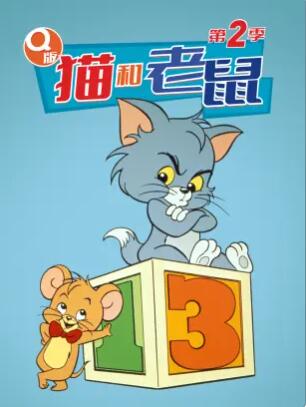
许多朋友都对儿时收看的动画片《猫和老鼠》无比怀念,在网上搜索到的大多是米高梅版的《猫和老鼠》,片中的猫及老鼠都比我们儿时在央视观看的大一号。留在80后最美好记忆中的猫和老鼠动画片实际是这部Tom and Jerry Kids show.由美国福克斯电视台1990年9月8日首播,1993年8月2日停播,共65集。每集三个故事,除了猫和老鼠外还穿插有肚皮和肚饱的父子狗对战麦克老狼的故事。这部Tom and Jerry Kids show 相比以前的猫和老鼠版本减少了暴力镜头,人物之间趋向于使用各种物品巧妙对战,猫和老鼠的形象也有改变,他们更加卡通,个头变小,更像是两个小孩。
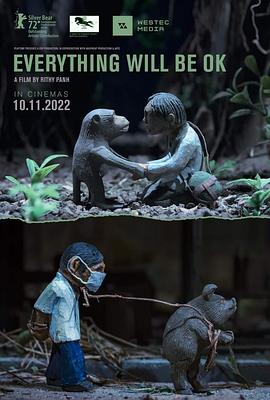
A megalith rises from a sandy desert – or rather, a scale model of such a landscape. “I am the archive”, says a young female voice while ominous string music nails viewers to their seats. This opening sets the stage for the narrative and figurative language of Rithy Panh’s dense mnemonic essay which uses stunning dioramas to tell a twenty-first century dystopian story. After a century of genocidal ideologies and destructive speciesism, animals have enslaved humans and taken over the world. In a wave of hope, the statues of the past have been removed but new ones are being erected to suppress the will of the people. This is now a planet of apes, boars and lions, and a zoological revolution is reversing and recreating the atrocities of the 20th century. As animal figures watch the film archives of our world, it feels as if Lumière has been transported into a film by Méliès or Willis H. O’Brien. We are all well aware that history repeats itself first as tragedy, then as a farce. The time has now come for this farce, in which “political language inhabits our dreams and consumes us”, to allow the possibility of a “graceful and tender insubordination” to emerge.